Samdrup Jongkhar

Samdrup Jongkhar is Bhutan’s southeasternmost town, serving as the country’s main trade gateway to Assam, India. It is one of the oldest towns in Bhutan and has a unique blend of Bhutanese and Indian influences. Unlike most Bhutanese towns, Samdrup Jongkhar has a more tropical climate, lush greenery, and a relaxed atmosphere. Key Attractions in […]

Read More

Trashigang

Trashigang, Bhutan’s largest district, is a vibrant town in eastern Bhutan that serves as a commercial and cultural hub. Situated at an altitude of 1,100 meters, it is known for its breathtaking landscapes, bustling markets, and friendly people. The district is home to diverse ethnic groups, including the semi-nomadic Brokpa people of Merak and Sakteng. […]

Read More

Mongar

Mongar, a charming town in eastern Bhutan, serves as a gateway to the remote and rugged landscapes of the east. Perched on a ridge at an altitude of about 1,700 meters, Mongar is known for its scenic beauty, traditional Bhutanese villages, and vibrant local culture. Unlike western Bhutan, where ancient fortresses were built in valleys, […]

Read More

Haa

Nestled in the westernmost part of Bhutan, Haa Valley is one of the least-visited yet most breathtaking regions of the country. Known for its pristine landscapes, vibrant culture, and deep spiritual heritage, Haa offers travelers an authentic Bhutanese experience away from the crowds. Often referred to as the “Hidden Valley,” Haa remains untouched by modernization, […]

Read More

Gasa

Gasa, Bhutan’s northernmost district, is known for its pristine wilderness, high-altitude settlements, and medicinal hot springs. Key Attractions: Gasa Dzong:A remote fortress built in the 17th century, offering stunning views of the surrounding mountains. Gasa Tsachu (Hot Springs):Among the most famous hot springs in Bhutan, believed to have therapeutic benefits. Laya Village:Home to the indigenous […]

Read More

Bumthang

Bumthang, often called Bhutan’s “spiritual heartland,” consists of four picturesque valleys: Chokhor, Tang, Ura, and Chhume. The region is home to some of Bhutan’s most sacred temples and monasteries. Key Attractions: Jambay Lhakhang:Built in the 7th century by Tibetan King Songtsen Gampo, this temple is one of the oldest in Bhutan and hosts the famous […]

Read More

Trongsa

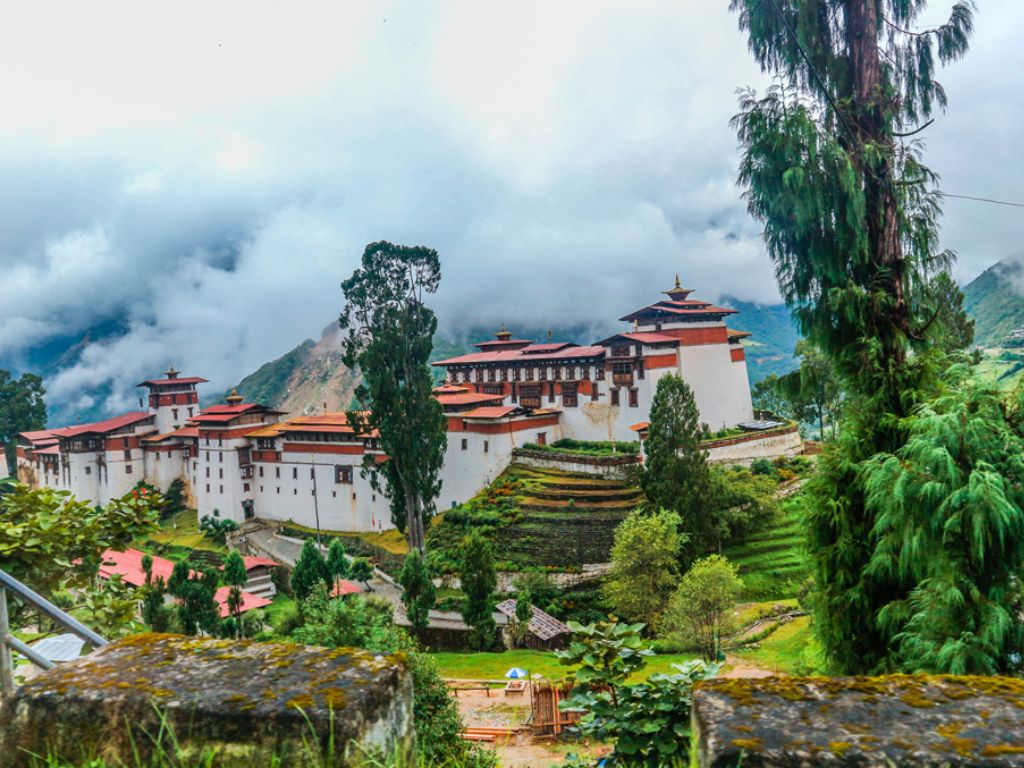
Trongsa, located in central Bhutan, holds great historical significance as the birthplace of Bhutan’s monarchy. The town sits on a steep ridge, offering spectacular views of deep valleys and winding rivers. Key Attractions: Trongsa Dzong:The largest dzong in Bhutan, Trongsa Dzong is a masterpiece of Bhutanese architecture and was historically the power center of the […]

Read More

Phobjikha

Phobjikha Valley, also known as Gangtey Valley, is a tranquil glacial valley on the western slopes of the Black Mountains. The valley is famous for its scenic beauty, traditional Bhutanese villages, and its role as a winter sanctuary for the endangered black-necked cranes. Key Attractions: Gangtey Monastery:Overlooking the valley, this important Nyingma Buddhist monastery dates […]

Read More

Punakha

Punakha, the former capital of Bhutan, is a valley of historical and spiritual significance, set against a stunning landscape of terraced rice fields, rivers, and hills. With a subtropical climate, Punakha remains lush throughout the year and is one of the most scenic destinations in Bhutan. Key Attractions: Punakha Dzong:Often referred to as the “Palace […]

Read More

Thimphu

Thimphu, Bhutan’s bustling capital, is a unique blend of traditional Bhutanese culture and modern development. Unlike most capital cities, it retains its old-world charm, with no traffic lights and a peaceful atmosphere despite being the country’s administrative hub. Key Attractions: Tashichho Dzong:This grand fortress serves as the seat of government and the summer residence of […]

Read More