
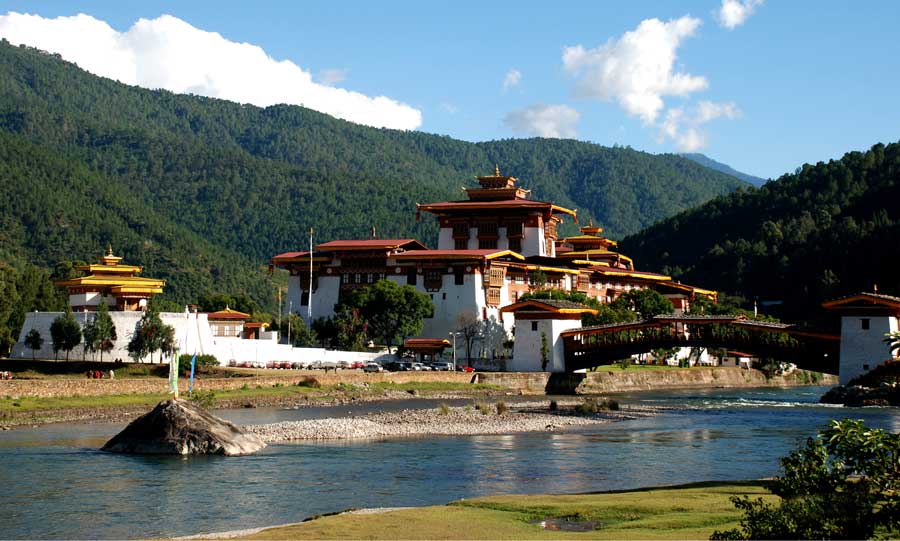
Travel Tips To Note before planning a vacation in Bhutan
Thinking of visiting Bhutan — the Land of the Thunder Dragon? Here’s your complete guide to help you plan a memorable and meaningful journey to this enchanting Himalayan kingdom.
1. When is the best time to visit Bhutan?
Bhutan welcomes travelers year-round, with each season offering its own charm and unique experiences. Your ideal travel time depends on what you want to explore — whether it’s vibrant festivals, clear skies, or snowy mountains.
-
Spring (March to May): The most popular season for travel. Expect pleasant weather, blooming rhododendrons, and ideal trekking conditions.
-
Summer/Monsoon (June to August): Expect rainfall, lush greenery, and fewer tourists. Great for those who love nature and solitude.
-
Autumn (September to November): Clear skies, beautiful fall foliage, and some of the most important festivals like Thimphu Tsechu & many more in the central Bhutan
-
Winter (December to February): Cold, dry weather with snow in higher altitudes. Great for photographers, cultural tours, and peaceful getaways.
2. How much do Bhutan vacation cost?
-
Adults (12 years and above): USD 100 per person, per night
-
Children (6 to under 12 years): USD 50 per person, per night
-
Children under 6 years: Free
✅ SDF Rates for Indian Nationals:
(With valid Indian passport or Voter ID)
-
Adults (12 years and above): Nu./INR 1,200 per person, per night
-
Children (6 to under 12 years): Nu./INR 600 per person, per night
-
Children under 6 years: Free
💡 SDF does not include accommodation, transportation, meals, guide services, or entry fees. These are arranged separately or as part of a complete tour package.
3. Must-Experience Moments in Bhutan
Bhutan offers soulful experiences that go beyond sightseeing — blending spirituality, nature, and culture into every moment. Here are some unforgettable experiences to include in your journey:
-
Hike to the legendary Tiger’s Nest Monastery (Paro Taktsang)
-
Enjoy a scenic drive to Chele La Pass
-
Visit the Fertility Temple (Chimi Lhakhang), dedicated to the Divine Madman
-
Soak in a traditional hot stone bath, Bhutan’s natural spa therapy
-
Explore majestic dzongs like Punakha Dzong and Trongsa Dzong
-
Stay at a local farmhouse and enjoy authentic Bhutanese hospitality
-
Ride a horse through quiet forest trails or highland meadows
-
Try your hand at archery, Bhutan’s national sport
-
Discover spiritual sites like Kurjey Lhakhang, Tamshing, and Mebar Tsho
-
Shop for textiles, incense, and crafts at local markets
-
Watch a vibrant masked dance festival (Tsechu)
-
Visit weaving villages and observe traditional textile making
✨ Bhutan is best experienced through its stories, rituals, and everyday magic — these moments will stay with you long after you leave.
4. Do you need Visa to travel Bhutan?
✅ Visa Policy by Nationality:
-
All visitors to Bhutan require a visa or travel permit.
🌍 For International Visitors (Except India, Bangladesh & Maldives):
-
A visa is required and must be applied for in advance of travel through a licensed Bhutanese tour operator or via Bhutan’s official tourism portal.
-
The visa is typically processed once full payment of the Sustainable Development Fee (SDF) and tour arrangements are confirmed.
🇧🇩🇲🇻 For Visitors from Bangladesh and the Maldives:
-
A visa is still required, but travelers have the option to apply in advance or upon arrival in Bhutan.
🇮🇳 For Indian Nationals:
-
Indian citizens do not require a visa, but they must obtain a permit to enter Bhutan.
-
Valid travel documents include:
-
Indian passport (valid for at least 6 months), or
-
Voter ID card issued by the Election Commission of India
-
-
Minors under 18 may enter with:
-
A valid passport, or
-
A birth certificate, and must be accompanied by a legal guardian.
-
✳️ Special Cases:
-
Nationals from Switzerland and Thailand holding diplomatic or official (government) passports are eligible to obtain a visa on arrival at the port of entry.
5. What does Bhutan tour cost include?
The USD 100 SDF is a government fee and does not include other travel costs.
When you book a tour package with Mad Monk Travels, the cost typically includes:
-
✅ Sustainable Development Fee (SDF)
-
✅ Accommodation (3-star and above)
-
✅ All meals (breakfast, lunch, dinner)
-
✅ Licensed guide and private transport
-
✅ Monument entry fees and government permits
-
✅ Airport pick-up and drop-off
Not included: international flights, drinks, laundry, shopping, personal expenses, travel insurance, and tips.
6. Different types of Tourism packages offered in Bhutan:
Bhutan offers a wide range of experiences for all kinds of travelers. Here are the main types of tour packages you can choose from:
-
Cultural Tours – Explore Bhutan’s ancient monasteries, traditional lifestyles, and rich heritage.
-
Spiritual & Wellness Retreats – Find inner peace through meditation, temple visits, and healing practices.
-
Trekking & Adventure Tours – Hike through Bhutan’s scenic mountains and pristine nature trails.
-
Festival Tours – Experience Bhutan’s colorful mask dances and spiritual celebrations.
-
Nature & Wildlife Tours – Discover Bhutan’s unique biodiversity and protected national parks.
-
Custom Tours – Personalized itineraries based on your interests and travel style.
✨ All tours can be customized with Mad Monk Travels for a seamless and meaningful Bhutan experience.
7. How to get to Bhutan?
✈️ By Air:
-
The only international airport is Paro International Airport.
-
Bhutan is accessible via Drukair and Bhutan Airlines from cities like Bangkok, Delhi, Kolkata, Kathmandu, Singapore, and Dhaka.
🚗 By Road (for Indian travelers):
-
Bhutan can be entered by road through Phuentsholing, Gelephu, or Samdrup Jongkhar.
-
The nearest Indian airport is Bagdogra Airport (Siliguri).
8. Are There Any Restrictions on Dress in Bhutan?
There are no strict dress codes for visitors in Bhutan. However, when visiting religious sites, monasteries, dzongs, and temples, it’s important to dress modestly and respectfully.
✅ Recommended Attire for Sacred Sites:
-
Wear smart-casual clothing that covers your shoulders and knees
-
Avoid sleeveless tops, short skirts, or revealing outfits
-
Remove hats and shoes before entering temples or shrine rooms
Bhutanese people deeply value tradition and respect, especially in spiritual settings. Dressing modestly not only shows cultural sensitivity but also earns warm smiles from locals.
💡 Pro tip: Carrying a light scarf or shawl is a good idea — it can quickly make any outfit temple-ready.
“Go where you feel most alive”

Comment (0)