from 0 review
8 Days 7 Nights
Daily Tour
Unlimited
English
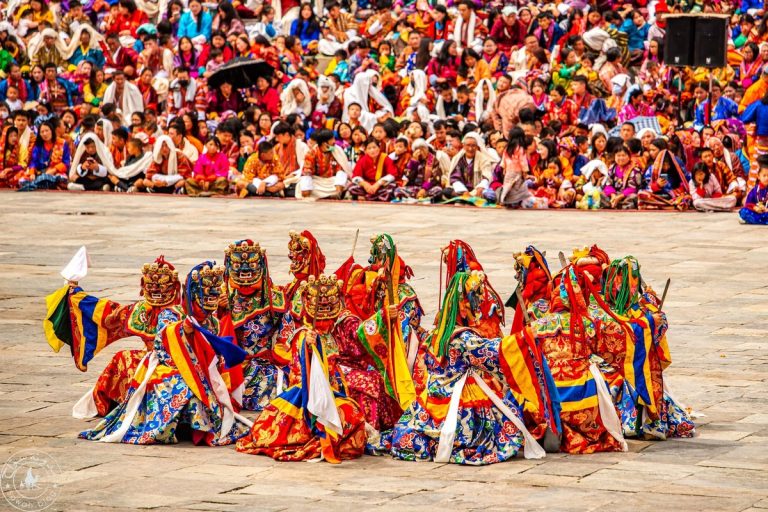
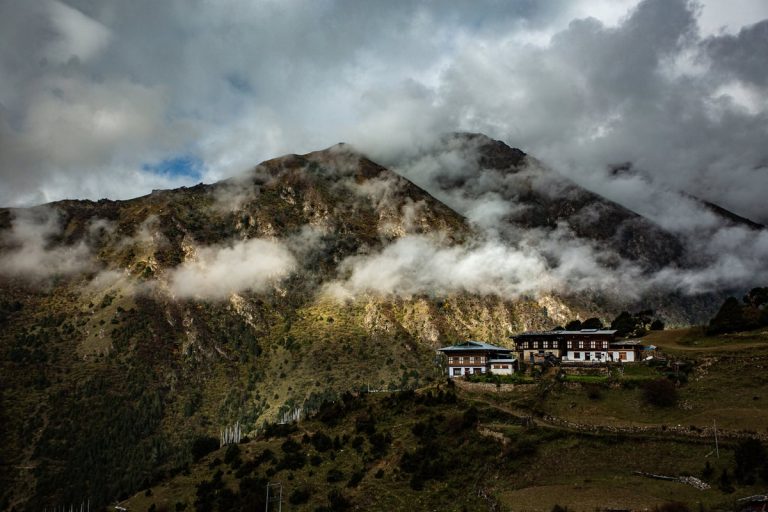
This photography-focused journey takes you through some of western Bhutan’s most photogenic dzongs, monasteries and valleys, with plenty of time built in at each stop for capturing the landscapes, architecture and everyday life along the way.
Bhutan keeps around 72% of its land under forest cover and is home to 12 protected areas: ten are maintained by a trust fund, one by the Royal Government of Bhutan (the Takin Preserve in Thimphu), and one by a private organisation, the Royal Society for Protection of Nature (the Black-Necked Crane Centre in Phobjikha) — both of which feature on this itinerary and offer excellent wildlife photography opportunities.
Fly into Paro by Drukair or Bhutan Airlines, a scenic approach through the Himalayas that offers wonderful aerial photo opportunities on a clear day. After completing your immigration formalities, you will be received by our representative, who will be your tour guide and photography escort throughout the trip, and drive to Thimphu. Visit the National Memorial Chorten: the chorten literally means 'seat of faith', and Buddhists often call such monuments the 'Mind of Buddha'; it's also a wonderful spot to photograph elderly locals in quiet circumambulation. Visit the Takin Preserve, home to Bhutan's national animal, the takin, an extremely rare member of the goat family found only in Bhutan, usually in herds at very high altitudes (13,125ft and over) and a favourite subject for wildlife photographers. Visit Tashichho Dzong, the 'fortress of the glorious religion'. It was built in 1641 by Zhabdrung Ngawang Namgyal and was reconstructed into its present form by the late King, His Majesty Jigme Dorji Wangchuck, between 1962 and 1969. It houses the secretariat building, the throne room, the office of the King, and the central monk body, and its whitewashed walls and golden roofs make for striking photographs, especially at golden hour. Visit the Craft Bazaar, a one-stop place to witness Bhutanese culture and buy Bhutan-made arts and crafts. The bazaar's 80 stalls cover all aspects of traditional Bhutanese craftsmanship, with artisans from across the country displaying and selling their handicrafts, offering great candid portrait opportunities. Also visit other handicraft stores in town. Overnight at the hotel in Thimphu.
After breakfast, visit the following places: Institute for Zorig Chusum, commonly known as the Arts and Crafts School or Painting School, which offers a six-year course in the 13 traditional arts and crafts of Bhutan; on a visit, you can photograph students learning the various skills taught at the school. Coronation Park, located on the banks of the river near the city stadium, offers 5.6 acres of parkland with a pleasant, relaxing environment to stroll or sit and watch the river flow by, and a good spot for landscape shots. Kuensel Phodrang, home to the tallest Buddha statue in the country, offering a full view of Thimphu valley below and one of the best panoramic photo viewpoints in the city. The Folk Heritage Museum (Phelchey Toenkhyim), dedicated to connecting people to Bhutan's rural past through exhibits, demonstrations, educational programs and documentation of rural life; its principal exhibit is a restored three-storey traditional rammed-mud and timber house dating back to the mid-19th century, typical of an average household in the Wang area during that era, with household objects and domestic tools on display across all three floors, offering rich detail shots of traditional rural life. Changangkha Lhakhang, a fortress-like temple and monastic school perched on a ridge above Thimphu, south of Motithang; the temple was established in the 12th century on a site chosen by Lama Phajo Drugom Shigpo, who came from Tibet, and its central statue is Chenrezig in a manifestation with 11 heads, with a fascinating view of Thimphu valley from the temple courtyard. If your visit falls on a Saturday or Sunday, stop by the Weekend Market, where much of Thimphu's population and many valley dwellers gather on the banks of the river; it's an interesting place to mingle with local people and capture candid street photography. Overnight at the hotel in Thimphu.
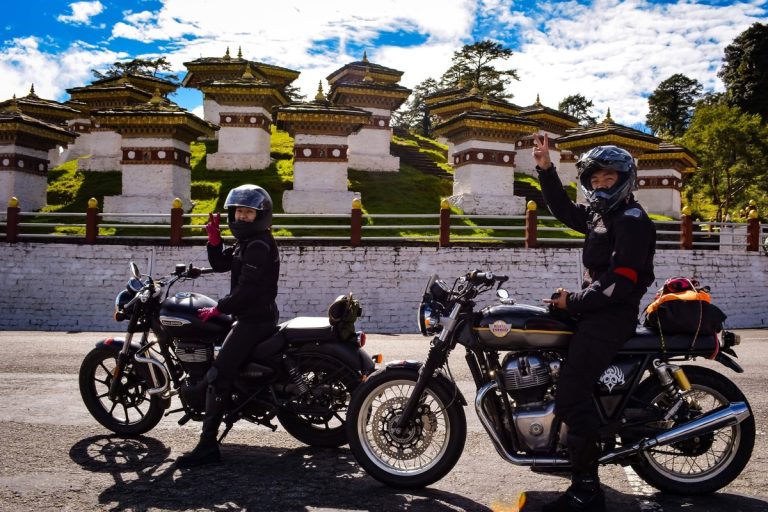
After breakfast, travel to Phobjikha/Gangtey over Dochula Pass (3,140m). On a clear day, you can enjoy a panoramic view of the Himalayan mountain ranges, and the pass itself is one of the best photo stops on this route. Pass by the beautiful 108 chortens built on the hill by Her Majesty Ashi Dorji Wangmo Wangchuck (Queen Mother of Bhutan) for the security and wellbeing of His Majesty, the King of Bhutan. The valley of Gangtey is one of the most beautiful and unspoiled places in Bhutan. The surprise of finding such a wide, flat valley without any trees after the climb through dense forests is heightened by an impression of vast space, an extremely rare experience in Bhutan, where most valleys are tightly enclosed, and it makes for a striking wide-angle landscape shot. A few kilometers beyond Gangtey Monastery, on the valley floor, lies the fascinating valley of Phobjikha. Later, visit Gangtey Goempa: perched on a small hill rising from the valley floor, Gangtey Monastery is the only Nyingmapa monastery on the western side of the Black Mountains' Gangtey valley. The monastery is surrounded by a large village, home mainly to the families of the 140 gomchens who care for it. Gangtey was founded by Pema Trinley, the grandson of Pema Lingpa, the famous Nyingmapa saint of Bhutan; in 1613, Pema Trinley established the monastery and became the first Gangtey Tulku, and the religious traditions of Pema Lingpa are still taught there. The second Tulku, Tenzin Legpa Dondrup (1645-1726), enlarged Gangtey while maintaining good relations with the Drukpas, and rebuilt the monastery in the form of a dzong. Black-Necked Crane Information Centre: situated on the edge of the forest and wetland along the main road of Phobjikha valley, the centre has an observation room equipped with high-power telescopes and spotting scopes for the best views, and photographs, of the cranes. It also offers information outlining the natural and cultural history of the area, and has a small gift shop selling handicrafts made by local people. Overnight at the hotel in Gangtey.
It's about a 3-hour drive from Phobjikha to Punakha. Chimi Lhakhang: situated on a hillock in the centre of the valley, this temple is dedicated to Lama Drukpa Kuenley, who in the late 15th century used humour, songs and outrageous behaviour to convey his teachings, earning him the name 'Divine Madman'. The temple is also known as the Temple of Fertility; it is widely believed that couples wanting children who pray here are usually blessed with one soon. It's about a 30-minute walk across fields from the road to the temple. The trail leads across rice fields to the tiny settlement of Pana, meaning 'field'. It then follows a small stream downhill to Yoaka and across more fields before a short climb to Chimi Lhakhang, with plenty of picturesque farmland views along the way. Punakha Dzong: built strategically at the junction of the Pho Chhu and Mo Chhu rivers in Punakha in 1637 by Zhabdrung Ngawang Namgyal to serve as the religious and administrative centre of the region, Punakha Dzong has played an important role in Bhutan's history. Damaged by four catastrophic fires and an earthquake, the dzong has since been fully restored, and its whitewashed walls set against the rivers make it one of the most photogenic dzongs in the country. It is open to visitors during the Punakha festival and in the summer months, when the monk body moves to Thimphu. Punakha has been inextricably linked to some of the most momentous events in Bhutanese history and deserves its reputation as one of the most beautiful and significant regions at the heart of Bhutanese culture; it served as the capital of Bhutan from 1637 until 1907, and its dzong is historically important, standing as a symbol of a unified Bhutan. Overnight at the hotel in Punakha.
Hike to Khamsum Yulley Namgyal Chorten: a beautiful hike takes you to the regal Khamsum Yuelley Namgyal Chorten, built to remove negative forces and promote peace, stability and harmony in the changing world. The chorten dominates the upper Punakha Valley, with commanding views across the Mo Chhu and towards the mountainous peaks of Gasa and beyond, one of the best spots on the whole tour for sweeping valley photographs. After lunch, visit Limbukha: drive towards Limbukha village, then walk across the suspension bridge (about 200m long) through a fresh breeze and with a fascinating view of the dzong. Follow the farmhouses gradually climbing towards the Dompala hills; the view of the dzong, the Pho Chhu and Mo Chhu rivers, and the surrounding villages is superb amidst chir pine forests. The climb is another two and a half hours to Limbukha. Limbukha farmers grow Bhutan's famous red rice, which is said to have medicinal value; this particular rice needs clean mountain spring water so that its taste and nutritional value are maintained. Limbukha is also known for its love of peace and tranquility. Legend has it that during medieval wars, the 'limpus', or people of Limbukha, always volunteered as peace negotiators. This is also depicted during the yearly festival called 'Serda', when the men carry peace flags instead of swords and fireworks. Overnight at the hotel in Punakha.
After breakfast, travel to Paro. On arrival, check into your hotel and visit the following: the National Museum, housed in the Ta Dzong (watchtower), where an intriguing collection of artifacts provides a wonderful introduction to the rich culture and heritage of the Kingdom. Paro Dzong, also known as Rinpung Dzong, meaning 'fortress that sits on a heap of jewels,' is a fine example of Bhutanese historic architecture. This imposing dzong, located above the Paro River, features inward-sloping walls that rise to an impressive height, and its riverside setting offers one of the best dzong photographs in the country, especially in the late afternoon light. It was built in 1646 by Zhabdrung Ngawang Namgyal on the foundation of an earlier monastery built by Guru Rinpoche, who is regarded as the 'second Buddha'. From the dzong, walk further down to Nyamai Zampa, the oldest traditional cantilever bridge in Bhutan. In the evening, stroll through Paro town and visit local handicraft stores. Overnight at the hotel in Paro.
After breakfast, drive to the base of Taktsang, which takes about 1 hour, and then hike up to Taktsang Monastery, also known as 'Tiger's Nest'. The walk up to the viewpoint will take about 1 to 1.5 hours depending on your fitness, and from there you will enjoy a spectacular view of the monastery clinging to the side of the cliff, arguably the single most iconic photograph in Bhutan. Stop for refreshments at the viewpoint cafeteria, then walk further up to the monastery, which takes about another hour. It is said that in the 8th century, Guru Rinpoche flew on the back of a tigress from eastern Bhutan to this place and meditated in a cave here for 3 months. The principal lhakhang of the present monastic complex dates from 1692. Taktsang was severely damaged by fire in 1998 but has since been fully restored to its former glory. After visiting the monastery, walk back downhill towards the road, stopping for lunch at the viewpoint cafeteria on the way, then continue down to the road point, where you will be driven back to the hotel. On the way, visit Kyichu Lhakhang, one of the 108 temples built in the 7th century by the Tibetan King Songtsen Gampo. According to legend, a giant demoness lay across the whole of Tibet and the Himalayas, preventing the spread of Buddhism. To subdue her, King Songtsen Gampo built 108 temples at key points on her body; of these, 12 were built to precise plans, and it was in this way that, around AD 638, the Jokhang temple in Lhasa was built over the very heart of the demoness. Overnight at the hotel in Paro.
After breakfast, transfer to Paro International Airport for your onward flight, taking with you a memory card full of Bhutan's dzongs, monasteries and mountain landscapes.
1.1. Yes, all visitors will need a visa to visit Bhutan, except for visitors from India, who will require a permit. 1.2. Nationals of Bangladesh and the Maldives shall be eligible for a visa on arrival at the port of entry. 1.3. Nationals of Switzerland and Thailand holding diplomatic and official passports shall be eligible for a visa on arrival at the port of entry. 1.4. Visitors from India will need a permit to visit Bhutan. This applies to anyone holding an Indian passport, or an Indian voter ID card. For Indian nationals aged under 18 years, a passport or a birth certificate will suffice, and they must be accompanied by legal guardians.
2.1. Visitors can process a visa or permit online from the website of the Department of Immigration. Visitors can also engage tourism service providers (see www.bhutan.travel for more details) to process the travel documents and plan a trip. The Tourism Council of Bhutan (TCB) will also offer customer service to help answer questions regarding visa applications and to answer questions about travel within the country. 2.2. Although visitors from Bangladesh and Maldives can process visas on arrival and visitors from India can process permits on arrival at the port of entry, it is recommended that these be applied online to reduce wait time and for faster clearance at the port of entry.
3.1. A passport copy is required. The passport must be valid for six months from the intended date of departure from the Kingdom; 3.2. Travel insurance valid for the duration of the trip; and 3.3. A recent passport size photograph.
4.1. The visa fee is USD 40 per person and it is non-refundable. While the process to issue the visa is usually quick, the visa can take up to five working days to process.
Please Visit Tourism Council of Bhutan